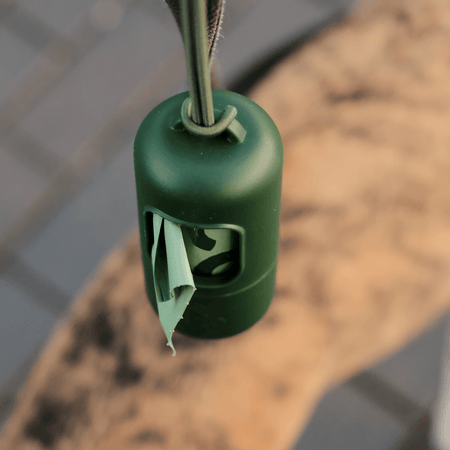
The best way to pick up dog poop is simple: a bag over your hand, a scoop, a flip inside-out to seal it, then straight in a bin.
That's the whole job for most walks.
Where it gets trickier is soft stool on grass, frozen waste, or a bag that tears mid-pickup. Here's the full picture.
- Laying the bag flat over soft stool works better than scooping straight from above.
- Waiting for poop to "harden" naturally usually makes cleanup worse.
- Pregnancy calls for gloves under the bag plus thorough handwashing every time.
- Dog waste belongs in general bins only (never flushed, composted normally, or buried).
Bags vs Dog Poop Scooper: What Works Best?
The easiest way to pick up dog poop depends entirely on where you're doing it.
A bag wins for walks, a scooper wins at home.
| Poop bags | Dog poop scooper | |
|---|---|---|
| Best for | Walks, public spaces | Gardens, yards |
| Portability | Fits in a pocket or on the lead | Not portable |
| Hygiene | Hands never touch waste directly | Some contact-free models, some don't |
| Good for | Fresh, single deposits | Larger areas, daily garden cleanup |
| Limitation | Less practical for big garden cleanups | Overkill for a single walk pickup |
For walks…
Look for a dog poop bag around 12 x 7 inches for smaller dogs, up to 14 x 9 inches for larger breeds, with a thickness of roughly 20 microns (thinner bags tear more easily, especially with soft stool).
For gardens…
A rake-and-bin or claw-style scooper saves you from bending down repeatedly, which matters if you're clearing a few days' worth at once.
How To Pick Up Dog Poop On A Walk, Step By Step
The method is glove, scoop, flip, seal – in that order, every time.
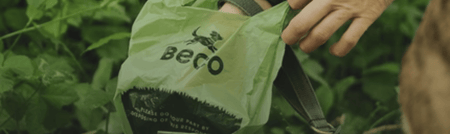
- Slip your hand into the bag like a glove, so the bag covers your hand completely.
- Scoop the poop using your bag-covered hand.
- Flip the bag inside-out with your free hand, so the waste ends up sealed inside and your hand stays clean throughout.
- Twist and tie the bag tightly to stop leaks or smells escaping on the rest of the walk.
- Bin it.
If you're expecting multiple pickups on a longer walk, carry a couple of spare bags.
How To Pick Up Soft Dog Poop From Grass
The grass itself works against you here – soft poop tends to sink into longer grass rather than sitting on top of it, so a straight scoop often leaves some behind.
A few adjustments that actually help:
- Lay the bag flat over the stool first, then scoop from underneath and lift, rather than trying to pick it up directly – this uses the grass as a backing surface instead of fighting it.
- Add dry material for structure. A scattering of dirt, dry leaves, or a scrunch of tissue on top of soft stool gives it just enough firmness to lift cleanly.
- Double-bag it. Soft stool is far more likely to tear a single bag or leak through, so a second bag isn't overkill here.
- Go in from the side, not from above, pressing the bag against the grass at an angle rather than straight down, which helps you get underneath the mess rather than smearing it further into the blades.
If soft stool is a regular occurrence, it's worth mentioning to your vet – persistent soft stool is often a diet signal rather than just bad luck with timing.
Should You Harden Dog Poop Before Picking It Up? Mythbusting
You can't actually harden dog poop on demand, and waiting for it to firm up naturally usually makes the job worse.
Here's why the idea doesn't hold up in practice:
- Time doesn't reliably help. Stool left out doesn't firm up in any predictable way – depending on weather, it's just as likely to spread, dry into the grass, or attract flies before it "hardens."
- Rain is the real risk. Leaving mess in place increases the chance it gets rained on and spreads bacteria across a wider area before you get back to it.
- Freezing isn't the same as hardening. Genuinely frozen waste is easier to scoop, but that's a temperature effect, not something you can engineer by leaving it out for twenty minutes.
The better approach is picking up fresh, using the soft-stool technique above if needed, rather than waiting and hoping it firms up.
Other Tricky Pickups: Frozen Waste & Bag Failures
Frozen waste and a torn bag both need a slightly different response than a normal pickup.
Frozen waste:
- Use a small shovel or metal rake rather than a bag alone – frozen stool doesn't lift cleanly by hand
- A light spray of non-stick cooking spray on the rake tines stops waste sticking to the metal
- If you can, time garden cleanup for a midday thaw, when it's easier to break up and scoop
Bag breaks mid-pickup:
- Contain the mess as best you can rather than panicking and leaving it
- Slide the whole thing into a second bag if you're carrying spares (this is exactly why carrying more than one bag matters!)
- Sanitise your hands as soon as you're able to, even if the bag did its job and no direct contact happened
Handling Dog Poop Safely During Pregnancy
Dog poop can carry Toxoplasma gondii, a parasite linked to toxoplasmosis, which poses a specific risk during pregnancy — so a few extra precautions are worth taking.
- Wear gloves under the bag, not just the bag alone, for an extra layer between hands and waste.
- Wash hands thoroughly with soap straight after, every time, not just when something feels obviously messy.
- Ask a partner or housemate to take over pickup duties where possible during pregnancy, particularly for garden cleanup involving larger volumes.
- Avoid handling cat litter waste too. If that's relevant at home, the same parasite risk applies there.
If you're ever unsure, this is a conversation worth having with your midwife or GP.
Where To Dispose Of Dog Waste (UK Guidance)
Getting the poop off the ground is only half the job – disposal has its own set of rules. In the UK, dog waste has specific bins it belongs in, and several places it should never go.
In public spaces:
- Use a designated dog waste bin where one's available.
- If there isn't one nearby, a general litter bin is a perfectly acceptable substitute.
At home:
- General waste (black or grey bins) is the correct destination for bagged dog waste.
- Never flush it, put it in food or garden waste recycling, or attempt to compost it in a standard home compost bin.
- Never burn or bury it – both are illegal in the UK and carry genuine health risks.
Composting…
Only works safely with a specialised system that sustains around 60°C, hot enough to kill pathogens, and the resulting compost should only ever go on non-edible plants.
Most home compost heaps don't get anywhere near that heat, and most compostable bags don't fully break down in a standard home setup either (so for most people, general waste remains the simpler, safer route).
How To Pick Up Dog Poop FAQs
Can I use supermarket carrier bags to pick up dog poop?
You can, but it's not ideal. Most aren't designed to handle waste and are more prone to tearing or leaking than a purpose-made poop bag. A dedicated bag is thicker, more hygienic, and easier to seal properly.
Is it illegal not to carry poop bags when walking my dog in the UK?
In many councils, yes. Under Public Space Protection Orders, you can be fined for not having bags on hand, even before your dog's actually fouled anywhere.
Do dog poop bags expire?
Yes, particularly compostable ones, which can become brittle over time. Store them somewhere cool and dry, and use them within the manufacturer's recommended window, usually 12–18 months.
Conclusion
Most of learning how to pick up dog poop properly comes down to matching your method to the mess in front of you.
Soft stool needs the flat-bag technique, frozen waste needs a rake rather than your fingers, and "just leave it to firm up" is advice that sounds sensible and isn't. Get the bin situation right too, since general waste is where it belongs, not the compost heap.
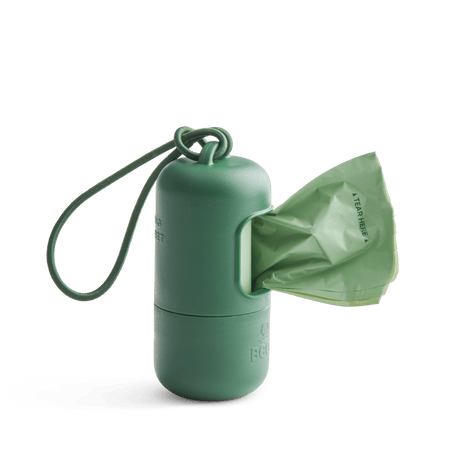
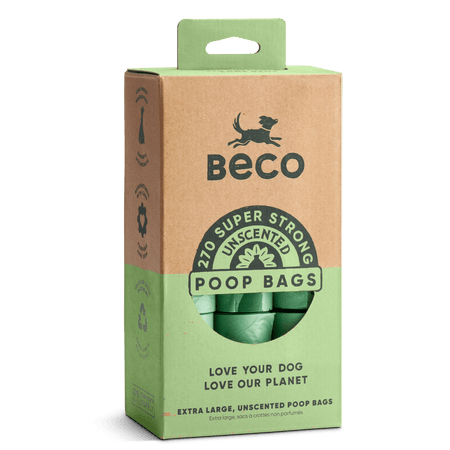
None of this needs to be complicated, but it does need the right bag to begin with. Our Poop Bags are sized properly and built to handle soft or awkward pickups without tearing on you halfway through (which, if you've ever had one split mid-scoop, you'll know is worth having sorted).