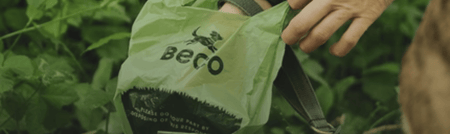
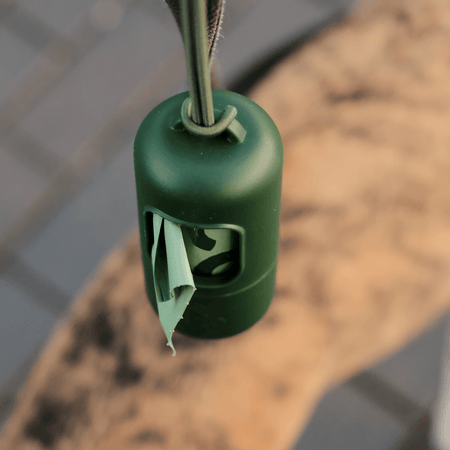
Bagged dog poo goes in your general household bin (usually black or grey), a public litter bin, or a designated dog waste bin. Never green, brown, or food waste.
Between the confusing "not here" labels on some bins and councils doing things slightly differently, it's no wonder people ask which bin does dog poo go in more than you'd expect.
The rules are more consistent than they seem.
We'll cover exactly which bin dog poo belongs in, by colour, plus where councils vary.
- Dog poo goes in general household waste bins or public litter bins when bagged.
- Never use recycling, food waste, or garden bins – contamination creates health risks.
- Not carrying poop bags can result in £100 fines under local council rules.
- Carry waste home if no bins are available – leaving bags behind is illegal.
Which Bin Does Dog Poo Go In? The Verdict
| Bin colour | Can dog poo go in it? |
|---|---|
| Black/grey (general waste) | Yes – this is the correct bin for bagged dog poo at home |
| Green (recycling) | No – dog waste contaminates recyclables and isn't accepted |
| Brown (garden waste) | No – garden bins are for plant material only, not pet waste |
| Food waste bin | No – pathogens in dog waste make it unsafe to process with food scraps |
| Public litter bin | Yes – accepted in most councils when out and about |
| Designated dog waste bin | Yes, where available – not legally required, but fine to use |
Quick answer:
Can you put dog poo in the green bin? No, never recycling.
Can you put dog poo in the black bin? Yes, as long as it's bagged first.
The Legal Framework
Under the Dogs (Fouling of Land) Act 1996, owners must clean up after their dogs in public spaces. Local councils enforce this, often through Public Space Protection Orders (PSPOs), which can specify areas where dogs are restricted and fouling rules are stricter.
Failure to pick up after your dog can result in an on-the-spot Fixed Penalty Notice (FPN), usually around £80–£100, and if unpaid, prosecution with fines up to £1,000.
Importantly, not carrying poo bags can itself be an offence in some areas, with fines of up to £100.
Registered blind individuals and assistance dog owners are exempt, but for everyone else, the expectation is clear: carry bags, pick up, and dispose of waste properly.
What Bin Does Dog Poo Go In At Home vs Out And About?
So, what bin does dog poo go in the UK? The rules are simpler than many think:
- General Household Waste Bins (black or grey bins): The correct option at home. Bagged dog poo belongs here alongside other non-recyclable waste.
- Public Litter Bins: Most councils make these available in parks, high streets, and public spaces, and they accept bagged dog waste.
- Designated Dog Waste Bins: Some councils provide red or otherwise marked bins specifically for dog waste. They're not legally required, but where available, they're a useful option.
The golden rule: dog poo must always be bagged before disposal. Loose waste is not acceptable in any bin.
The Wrong Bins For Dog Poo
While general waste and dog bins are fine, there are a few places where dog poo must never go:
- Recycling bins: Dog waste contaminates recyclables, creating hygiene risks and making recycling ineffective.
- Food waste bins: Pathogens and parasites in dog poo make it unsafe to process with food scraps.
- Garden waste bins: These are strictly for plant material; dog waste can spread parasites and compromise compost quality.
Why the restrictions? Dog faeces can carry harmful bacteria and parasites like Toxocara canis, which pose risks to human health and the environment.
Mixing dog waste into recycling or compost streams makes those processes unsafe.
What If There's No Bin Nearby?
It happens: you're out on a countryside walk or in a park with no bin in sight.
The law is clear – you must still take responsibility. The best option is to carry the bagged waste home and place it in your household general waste bin.
What you mustn't do is leave bags on the ground, hang them from trees or fences, or bury the waste shallowly. All of those are illegal and pose real risks to public health.
Council Differences Across the UK
While the law applies nationwide, councils do have different approaches to dog waste bins and enforcement.
For example:
- Runnymede Borough Council phased out dog bins altogether, encouraging owners to use regular litter bins instead.
- Cornwall Council uses PSPOs to impose stricter controls on fouling in public spaces.
- Shropshire Council notes that dog waste has been treated the same as general litter since 2008 and is usually sent to landfill or incineration.
- Caerphilly Council requires owners not only to clean up but also to carry bags at all times.
The bottom line: always check your local council's website for specific rules and available bins, but rest assured that general waste bins are acceptable everywhere in the UK.
What Bin Does Dog Poo Go In FAQs
Can dog poo go in wheelie bins in the UK?
Yes, bagged dog poo can go into your household wheelie bin for general waste (usually black or grey). It should always be securely tied to prevent leaks or odours.
Are dog poo bags recyclable if they're empty?
No, even unused biodegradable or compostable poo bags aren't usually accepted in household recycling. They should be disposed of with general waste unless your council specifies otherwise.
What happens to dog poo once it's collected by the council?
Most councils send dog waste with general rubbish to landfill or incineration. It isn't recycled or composted due to the pathogens it contains.
Do different UK nations (England, Scotland, Wales, Northern Ireland) have separate rules?
The legal duty to clean up after your dog is UK-wide, but enforcement and bin provision can vary by local council. Always check local guidance, especially in parks and countryside areas.
Conclusion
For a question with this much confusion attached to it, the actual rule barely changes: bagged dog poo goes in general waste, full stop, whether that's your black bin at home or a public litter bin on a walk.
Green, brown, and food waste bins are the ones to avoid, no exceptions, since dog waste carries pathogens that make those streams unsafe. Councils vary on the extras (some provide dedicated dog bins, some don't bother), but that one rule doesn't shift.
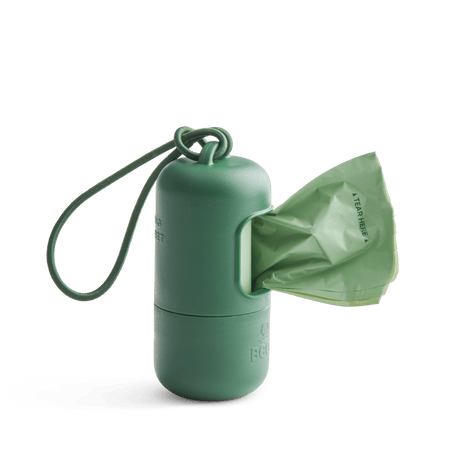
Getting the bin right matters more once you've got something worth binning. Our Poop Bags are built strong enough to make it there without any surprises along the way.