White dog poo is one of those things that can catch your eye and raise a few questions.
It's not something you see every day, and when it does appear, it's natural to wonder what might be causing it.
We'll cover what white dog poop means, why it was so much more common decades ago, and when it's worth a call to the vet rather than a watch-and-wait.
- White dog poo was common in the 70s-80s due to high-calcium dog foods.
- Excess calcium from bones or supplements creates chalky, white stools today.
- Texture differences reveal specific causes - from diet to parasites.
- Persistent white stools with other symptoms require veterinary attention.
Why Did Dog Poop Used To Be White?

White dog poo was once a common sight on pavements and verges, particularly in the 1970s and 80s. This wasn't the result of environmental changes – it had everything to do with what dogs were eating.
At the time, many commercial dog foods included high levels of bone meal. This ingredient is rich in calcium, and when dogs consumed more calcium than they could absorb, the excess passed through their digestive systems and was excreted.
Once exposed to sun and air, these calcium-rich stools turned hard and white.
As pet food formulations improved, with greater emphasis on balanced nutrition and digestibility, white poo largely disappeared from public view.
Why Is My Dog's Poop White Today? Common Causes
While it's far less common now, white dog poo hasn't disappeared entirely.
Here's a breakdown of possible causes:
1. High-Calcium Diets
Diets containing large amounts of bone (especially raw or homemade meals) can result in stools that are pale, hard, and chalky.
The calcium that isn't absorbed in the gut exits the body and reacts with the environment, resulting in a white or off-white colour.
This is most likely to happen in dogs consuming:
- Raw bones or bone-heavy meals
- Calcium supplements without veterinary guidance
- Home-prepared diets that haven't been nutritionally balanced
While not always harmful, excessive calcium intake can lead to constipation or straining. If these signs occur, a dietary review may be helpful.
2. Raw Diet Characteristics
Dogs fed raw diets often produce smaller, firmer stools. When bones are part of that diet, the stools may appear white shortly after passing – sometimes within 24 hours.
In some cases, this is expected and doesn't indicate a problem.
Still, it's worth tracking frequency and consistency, as prolonged changes can indicate an imbalance.
3. Aged or Sun-Bleached Stool
Poo left in the sun will gradually lose its moisture and colour. Organic material breaks down, while mineral content, such as calcium, remains.
Over time, even normally pigmented faeces can turn white, dry, and crumbly.
This is more of an environmental effect than a health concern.
4. Digestive or Systemic Health Issues
Fresh white or pale-coloured stools could indicate a lack of bile pigment. This may be linked to:
- Liver disease
- Gallbladder or bile duct obstruction
- Pancreatic conditions that impair fat digestion
These issues often present alongside other symptoms, such as:
- Vomiting
- Lethargy
- Abdominal discomfort
- Appetite changes
Veterinary evaluation is essential if pale stool is persistent or accompanied by signs of illness.
5. Ingesting Non-Food Items
Dogs occasionally eat things they shouldn't, like paper, tissue, or even fabric. These indigestible items can alter the appearance of stool, sometimes making it paler than usual.
If this occurs regularly, or if there's any sign of digestive upset, it's worth speaking with a vet.
6. Parasites
Tapeworms and other intestinal parasites may appear as small white segments in or around faeces. These aren't always easy to spot, but their presence can affect stool colour and consistency.
Deworming protocols and faecal exams can help rule out this cause.
What Does White Dog Poop Mean?
White dog poop doesn't mean just one thing – the meaning changes depending on how it looks and how it turned up.
As a quick guide:
- Chalky, hard, and pale after a bone-heavy meal usually just means excess calcium passing through, and it's rarely anything to worry about on its own.
- Fresh, pale stool with no obvious dietary cause can point to a lack of bile pigment, which is worth flagging to your vet rather than waiting out.
- Old, sun-bleached stool that's turned white over time is an environmental effect, not a reflection of your dog's current health.
The texture and timing tell you far more than the colour alone.
Is White Dog Poop Dangerous? When To Monitor vs When To Act
Most of the time, no, white dog poop isn't dangerous on its own, and occasional changes in stool are completely normal.
However, fresh, white poo that appears more than once or comes with other symptoms warrants closer attention.
Monitoring may be enough if:
- The stool is dry and old (likely environmental)
- Your dog ate a bone recently, and there are no other symptoms
- It happens once, and your dog is otherwise well
Seek veterinary guidance if:
- White stool is fresh and persistent
- Your dog is showing signs of discomfort or illness
- You notice greasy texture, mucus, or worms
- The stool is pale without any obvious dietary cause
Prevention Tips
A few simple steps can help reduce the likelihood of white dog poo and support your dog's overall wellbeing:
- Balanced diets: Whether feeding raw or commercial food, ensure it meets nutritional standards and isn't overloaded with calcium.
- Care with bones: Use bones sparingly and monitor stool for signs of hardening or straining.
- Hydration: Fresh water supports healthy digestion and softer stools.
- Routine vet checks: Regular visits can identify early signs of liver or pancreatic conditions.
- Parasite control: Follow a consistent deworming and stool testing schedule.
White Dog Poo FAQs
Can certain dog breeds be more prone to white poo?
Not necessarily. White stool is typically related to diet or health, not breed. That said, breeds prone to liver or pancreatic issues (like Miniature Schnauzers or German Shepherds) may experience pale stools more frequently.
Does white dog poo smell different?
Poo that turns white from excess calcium often has a dry, chalky texture and a milder smell than typical faeces. However, if white stool is caused by illness, it may carry a sour or unusual odour.
Can puppy poo turn white for different reasons than adult dogs?
Yes. Puppies may pass pale stool if they're worm-infested or if their diet isn't well balanced. Their systems are more sensitive, so any persistent colour change should be checked by a vet.
Are there natural ways to soften chalky white poo?
If stool is hard due to excess calcium, adding moisture-rich foods or small amounts of fibre (like cooked pumpkin) can help ease passage. Always adjust diets gradually and under veterinary guidance.
Conclusion
White dog poo used to be everywhere, back when bone meal was a standard filler in dog food.
It's rarer now, but when it turns up, the cause almost always falls into one of two camps: too much calcium passing through undigested, or something further along the digestive chain that's worth a vet's opinion.
Texture and timing tell you which one you're dealing with far better than colour alone – chalky and bone-related is usually fine, fresh and unexplained isn't something to sit on.
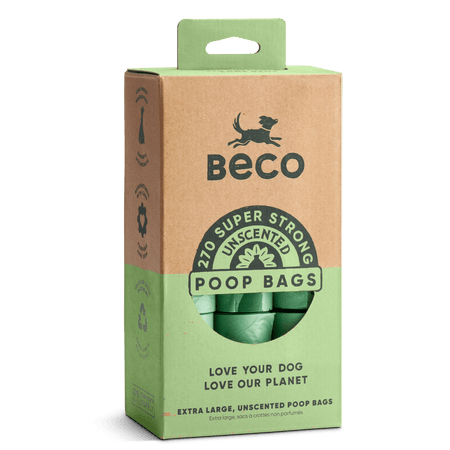
Whatever's behind it, someone still has to deal with what comes next. Our Poop Bags make that daily check a little less unpleasant, whatever's ended up in there.