Dog tear stains are caused by porphyrins – iron-rich compounds in tears that turn reddish-brown when exposed to air.
They're not usually dangerous, and in most dogs they're manageable with a daily cleaning routine, the right water and bowls, and a decent diet. The one exception is sudden staining, which can point to something that needs a vet rather than a wipe.
We'll cover the full picture: why tear stains happen, how to remove them safely, what to avoid, and when staining is a sign of something more than cosmetics.
- White fur doesn't cause more staining, it just makes tears far more visible.
- Sudden tear staining often signals infection, injury, or a blocked duct.
- A twice-daily wipe routine works better long-term than one-off "miracle" removers.
- Hydrogen peroxide, bleach, and human makeup remover can harm the delicate eye area.
Why Does My Dog Have Tear Stains?
Tear stains come down to one molecule: porphyrin.
It's found naturally in tears, and when it sits on fur and hits air and sunlight, it oxidises into that reddish-brown streak under the eyes. Every dog produces porphyrins. What varies is how much tear they're producing in the first place, and how visible the staining ends up being.
A few things tip the balance:
- Eye shape and breed. Flat-faced breeds and dogs with shallow eye sockets are more prone to tears overflowing onto the face rather than draining properly.
- Allergies. Environmental or food allergies can trigger excess tear production as the eyes try to flush out an irritant.
- Blocked or narrow tear ducts. Some dogs are born with tear ducts that don't drain efficiently, so tears spill over the lower lid instead of going where they should.
- Hair rubbing the eye. Long fur around the eyes can irritate the surface and trigger more tears than usual.
Why white dog tear stains are more obvious
White dog tear stains aren't caused by more porphyrin – they're just easier to see.
A dog with dark or patterned fur can be producing exactly the same amount of tear staining and you'd barely notice. On white or light-coloured fur, there's no camouflage, so even mild, everyday tearing shows up clearly.
Why Does My Dog Have Tear Stains All Of A Sudden?
This is a different question from "why does my dog have tear stains" in general.
Sudden staining, especially in a dog who's never had the issue before, usually means something new is going on rather than a slow cosmetic build-up.
A few common triggers behind a sudden change:
- Eye infection or irritation. Redness, squinting, or discharge alongside the staining is a strong signal.
- A foreign object in the eye. Grass seeds, dust, or debris are common culprits, especially after a walk.
- A newly blocked tear duct. This can happen at any age, not just from birth.
- Teething, if your dog is a puppy. The process can trigger extra tearing for a few weeks.
If staining appears out of nowhere and doesn't ease off within a few days, it's worth a vet check rather than waiting to see if it settles.
How To Remove Dog Tear Stains Naturally
Daily cleaning is the single biggest factor in keeping tear stains under control, and it works better over time than any one-off treatment.
Here's a routine that holds up:
- Wipe twice a day. Use a damp cloth or a purpose-made eye wipe to clear tears from under the eyes before they've had the chance to oxidise and set into the fur.
- Work gently, in the direction the fur grows. This avoids irritating the delicate skin around the eye, which is already sensitive if your dog's prone to tearing.
- Keep the fur trimmed. Shorter hair around the eyes means less moisture gets trapped against the skin, and less staining has somewhere to cling to.
- Be consistent. A wipe today and nothing for a week won't touch existing stains – this only works as a routine.
For stains that have already set in
A contact lens solution containing boric acid, used sparingly and carefully around the eye, can help lighten them. Always check with your vet before using any solution near your dog's eyes, particularly if the skin looks irritated.
Dog Tear Stains Prevention: Diet, Water & Grooming Habits
Wiping deals with dog tear stains after they've happened. Preventing excess tear production in the first place is a separate job, and it starts outside the eye area entirely.
A few changes that make a difference:
- Switch to filtered or bottled water. Tap water high in minerals can contribute to staining, and swapping it out reduces one of the easiest triggers to fix.
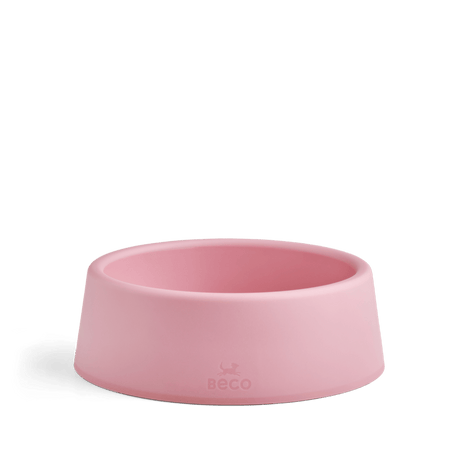
- Use stainless steel or ceramic bowls. Plastic bowls can harbour bacteria in tiny scratches on the surface, which winds up irritating the face and eyes.
- Feed a well-balanced diet. Low-grade, filler-heavy food can worsen tearing in some dogs – a reputable commercial diet or a vet-guided fresh feeding plan tends to help.
- Keep up with grooming. Regular trims around the eyes and a clean bowl routine go a long way together, rather than either one alone.
None of these will eliminate tear stains overnight. But layered with daily cleaning, they tend to bring staining down to a much more manageable level within a few weeks.
Home Remedies To Avoid
Not every home remedy floating around online is safe, and a few are risky this close to your dog's eyes.
These are the ones vets consistently warn against:
| Remedy | Why to avoid it |
|---|---|
| Hydrogen peroxide | Too harsh for the eye area – can burn or irritate skin and fur |
| Bleach or bleach-based products | Never suitable for use anywhere near a dog's face |
| Human makeup remover | Formulated for human skin, not a dog's more sensitive eye area |
| Cornstarch | Doesn't treat the cause and can cake up, adding to the problem |
| Milk of magnesia, yoghurt, or honey | Messy, ineffective, and can attract pests |
| Over-the-counter Tylosin or Terramycin | Antibiotics meant for infections, not cosmetic use – overuse risks resistance |
If you're ever unsure whether something's safe to use near your dog's eyes, the answer is to check with your vet first rather than test it and see.
When To See A Vet About Dog Tear Stains
Most tear staining is manageable at home.
A vet visit becomes the priority when staining comes with other symptoms, rather than showing up as a stand-alone cosmetic issue.
Book a check if you notice:
- Staining that appears suddenly, especially in a dog who's never had it before
- Redness, swelling, or visible discomfort around the eye
- Discharge that's thick, coloured, or has an odour
- Squinting, pawing at the eye, or obvious sensitivity to light
- Staining in one eye only, rather than both
Your vet can rule out infections, blocked ducts, or foreign objects – all things a cleaning routine alone won't fix.
Dog Tear Stains FAQs
Do dog tear stains go away permanently?
With consistent cleaning, a good diet, and the right water and bowls, tear stains often fade significantly and stay manageable. They rarely disappear forever, though (they tend to return if the routine lapses, since the underlying tear production doesn't stop).
Are tear stains painful for my dog?
Tear stains themselves aren't painful – they're a cosmetic build-up rather than a wound. That said, if the skin underneath looks red, sore, or damp for long periods, it's worth a vet check, since ongoing moisture can lead to mild irritation or infection.
Does diet really make a difference to tear staining?
Yes, for a lot of dogs. Poor-quality, filler-heavy food can increase tear production in dogs prone to sensitivity, so switching to a higher-quality diet is one of the more effective long-term changes you can make alongside a daily cleaning routine.
Conclusion
Keeping your dog's face free from tear stains requires a mix of daily care and smart choices.
From switching to stainless steel bowls and filtered water to maintaining proper grooming habits, these simple changes make a noticeable difference.
Remember that tear stains might signal underlying health issues, so it's worth consulting your vet if they appear suddenly or worsen.
While regular cleaning with gentle solutions helps fade existing stains, prevention through proper diet and hygiene remains key. By following these eight proven methods and avoiding harmful remedies like hydrogen peroxide or terramycin, you'll help your furry friend maintain a clean, bright face.
Ready to start tackling those tear stains? Try our grain-free dog food to support overall health or pick up our gentle cleansing wipes for daily care.